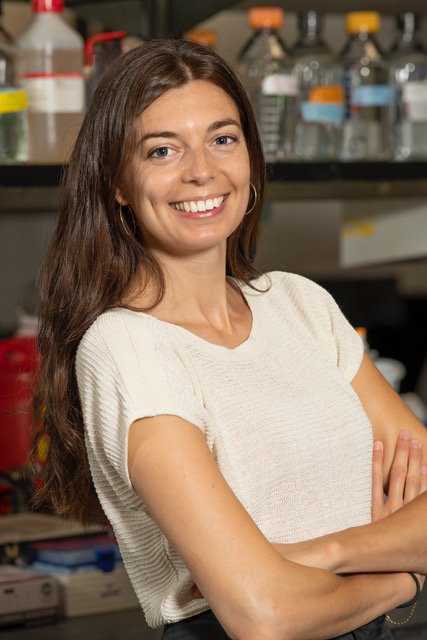
Milenna van Dijk, PhD
From single unit recordings to MRI imaging and genetics in large population cohorts
My early training in physics and astrophysics and psychobiology has been the groundwork for the rest of my career. I received a Master’s in Cognitive Neuroscience with in-depth training (through coursework and two research internships) in MRI and DTI imaging with topics involving psychopathology and basic memory mechanisms resulting in two publications. I then chose to work with Dr. Andre Fenton at NYU for my PhD research to continue to pursue my interest in hippocampal mechanisms of aversive memory by studying mechanisms at the single neuron level in rodents. Inspired by a paper by Christoph Anacker and René Hen hypothesizing a role for the mechanisms I had been studying in mood and anxiety disorders, I decided to take my knowledge of the hippocampus and cognitive flexibility and translate it to clinical samples and large populations. I sought a postdoctoral fellowship with Myrna Weissman and Ardesheer Talati and was trained in clinical epidemiology, analysis of large cohorts, and recently, through my K99-Award, in Imaging Genetics. My training spanning from basic rodent neuroscience, to imaging genetics to translational epidemiology has given me a unique skillset to analyze the big data cohorts with MRI, DNA and environmental data that have recently become available to understand mechanisms of intergenerational depression. My approach is to ground hypotheses in causal-mechanistic animal models and translate these to deeply phenotyped clinical studies that have the clinical precision for translation and to large diverse population studies to ensure generalizability and robust science.

Magdalini Ioannou, PhD
Magda is a Postdoctoral Research Scientist in the group. Originally from Greece, she has lived and worked at universities across Europe and the USA throughout her career. She is a passionate neuroscientist with a long-term goal of understanding, preventing, and treating mental disorders. Her current research aims to understand why some children develop depression while others do not, despite being exposed to similar adversities. To answer these questions, she uses genetic and neuroimaging approaches and combines insights from animal models with large human cohort studies. Outside the lab, Magda loves sports, dancing, playing music, and strolling around NYC with friends.
James Woodruff, BS
James is a Master’s student in Epidemiology at the Mailman School of Public Health. He’s been working in the van Dijk lab and with Milenna’s collaborators for several years on wide ranging projects. His current project is to expand research on the effects of prenatal SSRI exposure across adolescent development and the effects on brain development. He’s excited about epidemiology methods, in utero exposures and collaborative research. He is also an ultra marathon runner.

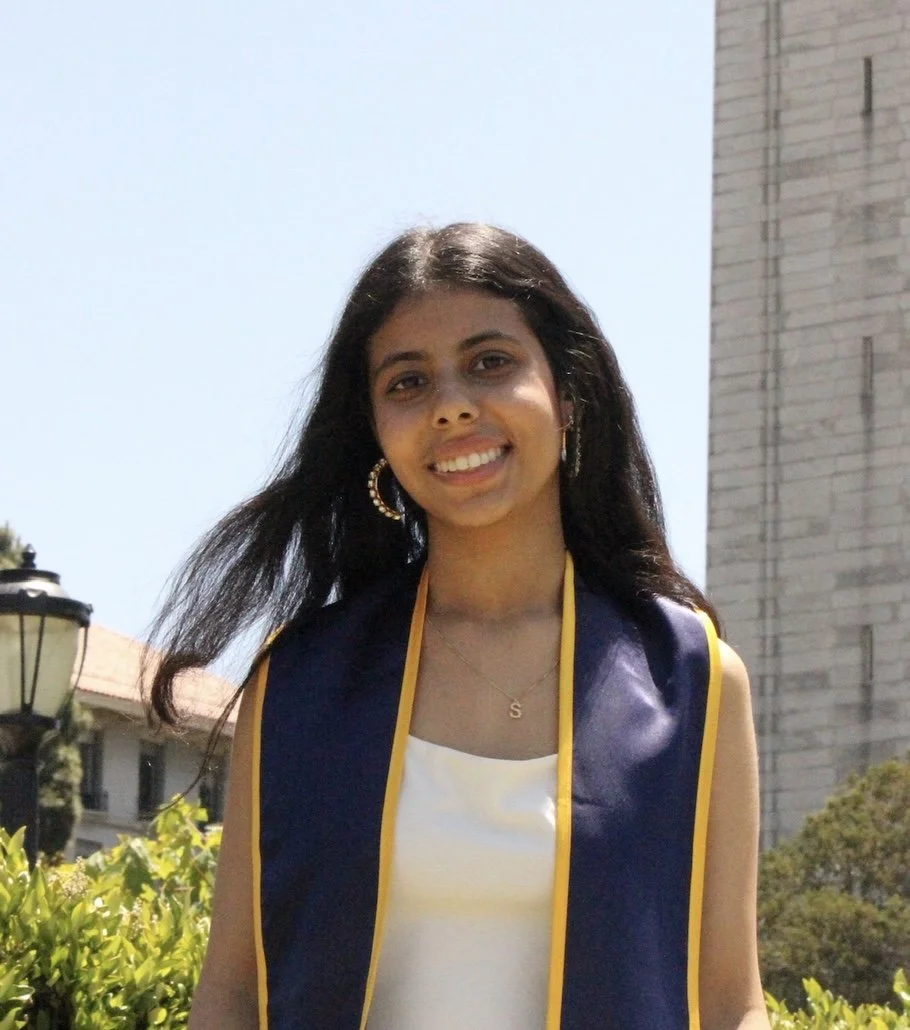
Suhina Sharma, BS
Suhina’s research project consists of implementing longitudinal mixed-effects models to examine how genetic risk and early life adversity influence developmental mental health trajectories. She is interested in understanding how genetic, environmental, and socioeconomic factors interact to shape mental health outcomes over time and want to use statistical modeling approaches to identify factors associated with risk and resilience across development. Through this work, she has gained experience with longitudinal data, regression modeling, moderation analyses, and interpreting relationships between biological and environmental factors. Ultimately, she is interested in applying biostatistical and data science methods to better understand disease risk and inform approaches to prevention and personalized healthcare.
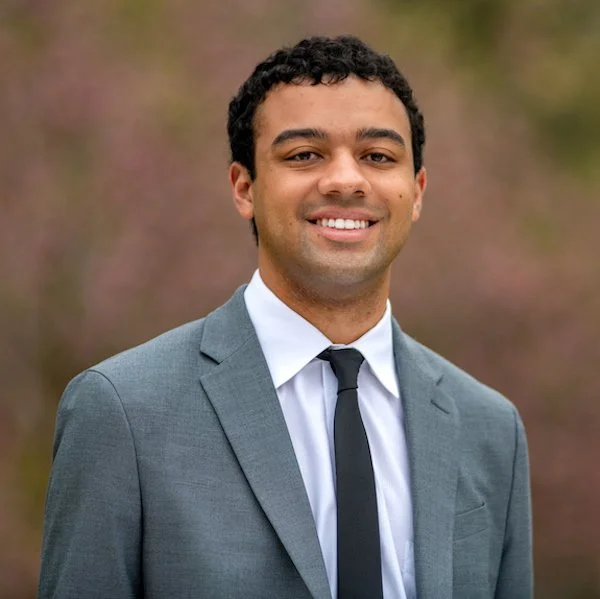
Devin Diggs, BS
Devin Diggs is a 4th-year medical student at Columbia University Vagelos College of Physicians and Surgeons, where he is applying into psychiatry residency this year. His research interests center on psychiatric epidemiology and mental health services research, with a particular interest in early-life risk and resilience factors for psychopathology.
Before medical school, Devin completed a Master's in Mental Health in Education at the University of York through the US-UK Fulbright Scholarship. His dissertation examined school connectedness as a protective factor against childhood adversity using the Millennium Cohort Study. He has also worked with Dr. Mark Olfson analyzing recent trends in child and adolescent anxiety using the National Survey of Children's Health.
In the lab, Devin is studying early life predictors of suicide susceptibility and resilience using the High Risk Study, a three-generation, prospectively followed family cohort. His work examines how early-life predictors (e.g. parental bonding, temperament, trauma history, and parenting stress) differentiate individuals at high family risk for suicide who go on to have suicidal ideation or attempts from those who remain resilient, and how these early-life factors are associated with MRI changes.